How to Layer Lighting in a Victorian Terrace: A Room-by-Room Guide
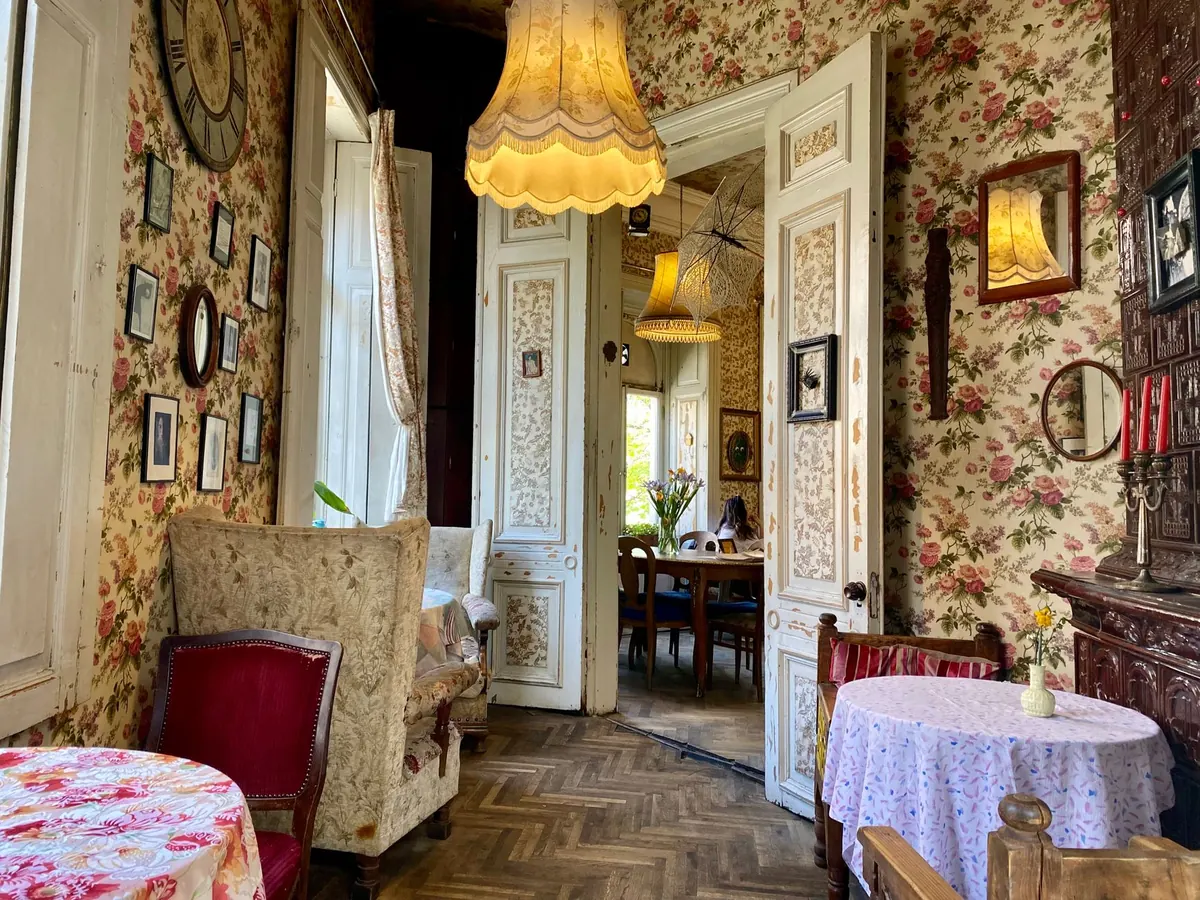
Victorian terraces are generous with height and stingy with light. Rooms are tall, narrow and deep, with a sash window at one end and a chimney breast at the other, so a front room that feels grand at noon can turn gloomy by six. The usual remedy — one bright pendant in the middle of the ceiling — is exactly what flattens the proportions and pushes the features you paid for into shadow.
Layering solves it. Rather than asking one fitting to do everything, you build the room from three overlapping jobs of light and place each one where the architecture already wants it. Here is how that works, room by room.
The three layers, and what each one is for
Every good scheme in a period house has the same three ingredients, and they should be switchable separately.
- Ambient is the base layer: enough light to move around and read the shape of the room. In a Victorian space this wants to come from two or three soft sources rather than one strong one — a dimmed pendant, a floor lamp, a pair of wall lights.
- Task is the light you cook, read or put your make-up on under. It sits close to you, focused, and on its own switch.
- Accent is the layer that flatters the building: a picture light over the mantel, a lamp in an alcove, a glow grazing the cornicing.
Keep colour temperature consistent within a room. Around 2700K, a warm white, suits living rooms, hallways and bedrooms; 3000K is fine in kitchens and bathrooms where a little more clarity helps. A warm lamp beside a cool ceiling light is what makes a scheme look accidental.
Work with the architecture before you buy a fitting
Start with the constraints, because in a terrace they are real: few sockets, solid walls in places, decorative plaster you would rather not cut, and a ceiling rose that dictates where a pendant can hang.
That rose is not an obstacle. Hang the pendant on a longer flex, put it on a dimmer, and treat it as one source among several rather than the whole scheme. If the cornicing is original, don't run cable through it; a slim uplighter in a corner will wash the ceiling and reveal the moulding without touching it.
Two practical notes. LEDs need compatible dimmers, so ask for trailing-edge dimming and check the lamp and dimmer are matched, or you will get flicker and buzz. And if you are renting, or not ready to rewire, plug-in wall lights, floor lamps on smart plugs and battery picture lights will get you most of the way there.
The front room: bay, alcoves and chimney breast
This room usually has the best bones in the house, so let the lighting follow them. The chimney breast is the natural focal point: two wall lights either side, mounted at roughly eye level when you are seated, make an accent of the fireplace and the wall around it. A picture light above the mantel does the same job more precisely.
The alcoves are where ambient light belongs. A small lamp on a shelf, a picture light aimed at books, or a low-output fitting tucked into the top of a bookcase lights the room sideways — far kinder than a pendant overhead. In the bay, a floor lamp in the corner where the window meets the wall fills the end of the room and stops the glass reading as a black rectangle after dark.
Keep the pendant low and dimmed, and add a table lamp beside the sofa for reading. Three or four modest sources at different heights will always beat one bright one.
A workable front-room recipe
- Dimmable pendant on the ceiling rose, warm white, low output
- Two wall lights or a picture light at the chimney breast
- One lamp in an alcove or on a bookshelf
- One floor lamp in the bay
- One task light with an adjustable arm or an angleable shade
Hallway and stairs: light the height, not the floor
Victorian hallways are long, narrow and often windowless. A single pendant by the front door leaves the far end dark. Wall lights at two heights along the corridor do more, and a pendant in the stairwell carries the eye up to the landing.
On the stairs, glare is the enemy. A bright downlight directly above the top step will hurt your eyes on the way down while leaving the treads in shadow. Better to use wall lights on the landing and a source low enough to wash the steps, so you can see the edge of each tread. For night-time trips, keep it low and warm rather than bright.
Kitchen and dining: two rooms in one
Rear kitchens and dining rooms often sit in a later extension, so you can plan rather than work around. Divide the room by job. Under-cabinet strip lighting over the worktop is your task layer, warm at around 3000K and positioned so no bare diode glares into your eyes from where you stand. Over an island or table, a pendant gives ambient light and creates a room within a room.
Hang a dining pendant low enough to light faces rather than the tabletop — roughly 70–80cm above the surface is a sensible starting point — and put it on a dimmer. Then add one more source in a corner, a wall light or a lamp on a sideboard, so the room can drop into a gentler mode once the plates are cleared.
Bedrooms and bathrooms: softness and safety
Downlights above a bed are unpleasant to live with. Wall-mounted reading lights either side are easier on the eye and free up the bedside table, while a dimmable ambient source lets you come down gently at the end of the day. Warm bulbs, shades with a diffuser, and nothing aimed straight at the pillow.
Bathrooms need more care. Fittings must suit the zone they sit in and carry the correct IP rating, and in England and Wales most electrical work in a bathroom is notifiable; the rules differ in Scotland and Northern Ireland. Use a registered electrician for anything beyond changing a lamp, and ask about zoning before you buy. A light either side of the mirror beats one overhead, and a warm wall light near the bath adds the accent layer.
Putting it together: a five-minute evening test
Check the scheme after dark, not in daylight.
- Turn on ambient only. Can you cross the room, find a seat and see the cornicing without squinting?
- Add the task layer. Is the light where your hands and eyes actually are, with no glare in your eyeline?
- Add accent. Does the room gain depth, or just more brightness?
- Stand in the doorway and look in. The brightest thing in view should not be a bulb at eye level.
- Drop everything to your usual evening level. If it feels comfortable and the original features are still readable, the layering is working.
Live with it for a week before buying anything else. Victorian rooms reward patience, and the best schemes tend to be the quiet ones: several warm, dimmable sources at different heights, each doing one job properly.
Photo: Ercan Evcimen / Pexels